

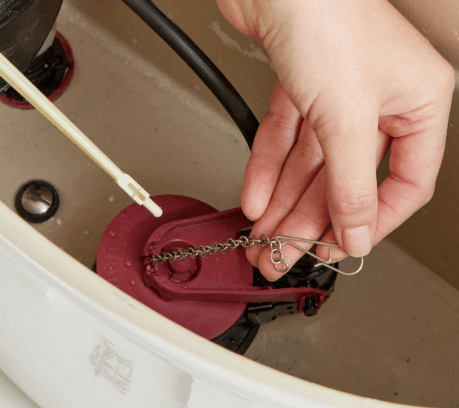
A running toilet can signal a worn seal or misadjusted parts. Start with quick checks: listen for a hiss, note continuous tank movement, and watch for bowl overflow. Inspect the flapper, test the fill valve height and float, and ensure the chain has proper slack. If these adjustments don’t stop the flow, worn components may need replacement. The next steps offer a clear diagnostic path and potential fixes before calling a pro, or setting a maintenance plan for the future.
Identify the Running Toilet: Symptoms, Common Culprits, and What to Check First
A running toilet is easiest to identify by its audible and visible indicators: a constant or irregular hissing sound and a continuously functioning fill valve that maintains the water level in the tank.
Identify symptoms, common culprits, or initial checks, quick fixes, or step by step diagnostic.
When to call a pro, or prevention tips guide practical, precise, and freedom-minded decision making.
Quick Fixes You Can Do Now: Flapper, Fill Valve, and Chain Adjustments
To address a running toilet quickly, focus on three common leaky components: the flapper, the fill valve, and the chain length. Inspect for a worn flapper seal, test fill valve height and float, and adjust chain slack so the flapper closes fully. Implement quick fixes with care; these quick fixes support home maintenance and empower responsible, independent upkeep.
Step-by-Step Diagnostic: How to Test to Confirm the Leak Source Without Tools
One practical approach to diagnosing a running toilet without tools begins with a systematic observation: watch for continuous water movement in the tank, listen for the hiss of water, and note any gradual overflow into the bowl. Then perform diagnostic testing by monitoring refill flow, flush valve motion, and tank-to-bowl transfer. This supports leak source identification concisely and calmly.
When to Call a Pro and How to Prevent Future Runs and Wasteful Leaks
When to call a pro arises when signs extend beyond simple adjustments: persistent running after a basic repair, fluctuating water level, or unusual tank noises that complicate a DIY fix.
A professional assesses flush etiquette, replaces worn parts, and calibrates fill valves to restore water pressure.
Prevention includes regular inspections, proper valve maintenance, and mindful refill routines to curb future wasteful leaks.
See also: Smart Hospitals Powered by Tech
Conclusion
In a world where toilets allegedly respect our schedules, the running tank is the only thing that truly obeys—constantly reaffirming that nothing ever stays full, except the bill. So, after all the flapper fiddling and valve nudging, one must admit: the bathroom is now a tiny water park, and you are the reluctant lifeguard. But at least you’ll finally know where the leak lives, and the plumbing will thank you by not singing the same hiss again tomorrow.
